More items from this sellerView All



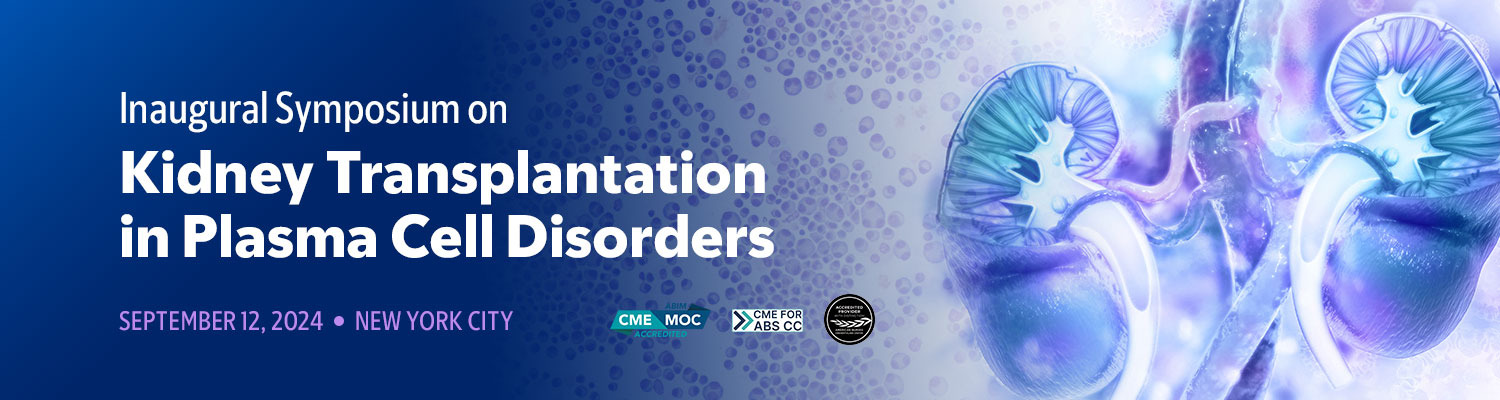
Description Include: 19 videos 16 pdfs, size: 11.7 GB Target Audience: hematologists, nephrologists, surgeons, pathologists, immunologists Sample video: contact me for sample video Information: Date & Location Thursday, September 12, 2024, 8:55 AM – 5:00 PM, Zuckerman Research Center, 417 East 68th Street, New York, NY Specialties Specialties – Allergy and Immunology, Bone Marrow Transplant, Clinical Pathology, Hematology, Hematopathology, Internal Medicine, Myeloma, Nephrology, Nurse Practitioner, Nursing, Oncology and Hematology, Urology Overview We’re excited to present the inaugural symposium on renal transplantation in plasma cell disorders. This program unites multidisciplinary experts from Memorial Sloan Kettering Cancer Center and around the world, spanning specialties such as hematology, nephrology, surgery, pathology, immunology, and bioethics. We’ll explore critical topics pertaining to the evaluation and management of plasma cell dyscrasia patients being considered for kidney transplantation, including: Updates in MGRS pathology and classification; The latest developments in clone-directed therapy and outcomes; Assessing depth of response; Updates on transplant biology and immunology; Complications of renal transplantation in patients with plasma cell disease; and Fair distribution of a scarce resource and role of living donor transplantation. Additionally, this symposium will feature a patient and clinician roundtable discussion and a workshop on best practices for distinct disease entities. View the brochure for additional information. The symposium is intended for physicians, advanced practice providers, registered nurses, fellows, trainees, and other healthcare professionals interested in kidney transplantation for plasma cell disorders. This symposium will be held exclusively in person at Memorial Sloan Kettering’s Zuckerman Research Center, with no virtual attendance option available. Objectives At the conclusion of this symposium, attendees will be able to: Describe the pathology and classification of the distinct subtypes of MGRS Summarize the updates in treatment and outcome assessment in the common plasma cell dyscrasias including multiple myeloma, light chain amyloidosis and MIDD Review the methods for assessing depth of response in plasma cell disorders and their added value and limitations Explain critical components of transplant biology and immunology that inform renal transplant practice Describe common complications of renal transplantation and management Discuss barriers to access to renal transplantation, strategies improve more equitable distribution and the role of living donor transplantation Topics: Amyloid 2.mp4 Amyloid 2.pdf Amyloid.mp4 Amyloid.pdf Challenges and Opportunities Navigating Care Across Medical Specialties.mp4 Complications of Novel Therapies.mp4 Complications of Novel Therapies.pdf Depth of Response.mp4 Depth of Response.pdf Equity in Access and Addressing Disparities.mp4 Equity in Access and Addressing Disparities.pdf Introduction to Monoclonal Gammopathy of Renal Significance (MGRS) Panel Discussion and Q&A.mp4 Introduction to the Practice Survey and Best Practices Paper.mp4 Introduction to the Practice Survey and Best Practices Paper.pdf KidneyTransplant2024_Brochure.pdf MGRS.mp4 MGRS.pdf Monoclonal Immunoglobulin Deposition Disease (MIDD).mp4 Monoclonal Immunoglobulin Deposition Disease (MIDD).pdf Myeloma 2.mp4 Myeloma 2.pdf Myeloma.mp4 Myeloma.pdf Novel Therapies and Complications Panel Discussion and Q&A.mp4 Novel Therapies.mp4 Novel Therapies.pdf Precursor Conditions.mp4 Precursor Conditions.pdf Special Topics in Kidney Transplantation Panel Discussion and Q&A.mp4 The Time is Now.mp4 The Time is Now.pdf Transplant Biology, Immunology, and Management of Complications.mp4 Transplant Biology, Immunology, and Management of Complications.pdf Updates in MGRS Pathology and Classification.mp4 Updates in MGRS Pathology and Classification.pdf