More items from this sellerView All


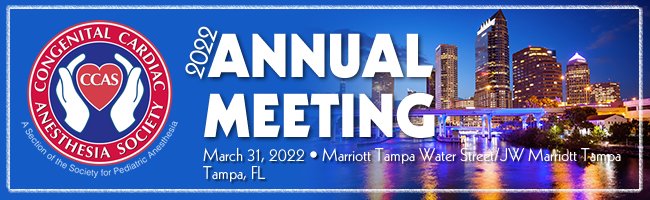
Description Include: 4 videos 1 pdfs, size: 2.64 GB Target Audience: anesthesiologist Sample video: contact me for sample video Topics: General Session I.mp4 General Session II – III.mp4 General Session IV – V.mp4 General Session VII.mp4 Program.pdf *** Detail: THURSDAY, MARCH 31, 2022 6:00 AM – 5:00 PM Registration Location: JW Marriott – Tampa Bay Ballroom South – PreFunction – Level 4 Session: PBLDs/Round Tables – PBLDs and Round Tables Offered Virtually 6:15 AM – 7:15 AM PBLD 1: Mommy and Me Anesthesia: Caring for the Pregnant Patient with Adult Congenital Heart Disease Viviane G. Nasr, MD; Katherine L. Zaleski, MD Objectives: Upon completion of this PBLD, the participant will be able to: * Appreciate the “normal” physiological changes of pregnancy, with an emphasis on the cardiovascular system. * Discuss risk stratification for the pregnant patient with congenital heart disease. * Formulate a safe, comprehensive periprocedural care plan for the pregnant patient with adult congenital heart disease. 6:15 AM – 7:15 AM PBLD 2: Patent Ductus Arteriosus (PDA) Stent Placement in Neonate with Pulmonary Atresia and Intact Ventricular Septum (PA-IVS) Mikel Gorbea, MD; Faith J. Ross, MD Objectives: Upon completion of this PBLD, the participant will be able to: * Review the spectrum of morphologies and unique physiologic features associated with pulmonary atresia with intact ventricular septum. * Discuss the preoperative evaluation and anesthetic considerations unique to transcatheter ductal stent placement in infants with ductal dependent circulation. * Identify the key perioperative challenges encountered in managing neonates presenting for interventional transcatheter procedures in the cardiac catheterization suite. * Describe appropriate consultation, preoperative planning, anesthetic risks, and palliative options for infants scheduled for interventional transcatheter placement of ductal stents. 6:15 AM – 7:15 AM PBLD 3: Anesthesia for the Hybrid Procedure for HLHS Nina Deutsch, MD; Andrew T. Waberski, MD Objectives: Upon completion of this PBLD, the participant will be able to: * Discuss the indications for and timing of the hybrid procedure as compared to the Norwood palliative procedure. * Develop an anesthetic plan for a neonate undergoing a hybrid procedure. * Simulate therapies for anticipated complications from the hybrid procedure. 6:15 AM – 7:15 AM RT 1: So You Like Blue Babies? – Entering the Field of Congenital Cardiac Anesthesiology Megan L. Albertz, MD; Nicholas M. Houska, DO Objectives: Upon completion of this Roundtable Discussion, the participant will be able to: * Discuss the current state of congenital cardiac anesthesia workforce and the occupational outlook for the future of the specialty. * Describe training pathways in congenital cardiac anesthesia and how ACGME accreditation will impact fellowship training. * Recognize the challenges in transitioning from trainee to attending and examine resources to improve personal and professional outcomes in the first-year post-training. 6:15 AM – 7:15 AM RT 2: ERAS in CV Surgery Calvin Kuan, MD; Zoel Quinonez, MD Objectives: Upon completion of this Roundtable Discussion, the participant will be able to: * Understand pathophysiologic considerations for appropriateness of ERAS in the pediatric and adult patient with CHD. * Name three evidence based ERAS interventions you can implement in your institution. * Describe logistical barriers to implementation of ERAS and how you can overcome them. 6:15 AM – 7:15 AM RT 3: The Royal Treatment: Perioperative Hemostatic Management for Pediatric Patients with Severe Hemophilia Laura Downey, MD; Nina A. Guzzetta, MD Objectives: Upon completion of this Roundtable Discussion, the participant will be able to: * Understand the pathophysiology and treatment of severe hemophilia and the implications for congenital cardiac surgery requiring cardiopulmonary bypass. * Learn about new treatments for hemophilia patients and how this affects heparin management on CPB. * Discuss the perioperative management of hemophilia patients for cardiac surgery with CPB. * Practice interpreting VET and determining appropriate hemostatic treatment in patients with complex bleeding disorders. Breakfast with Exhibitors 6:30 – 7:20 AM 7:20 AM – 7:35 AM Welcome and Outline of Educational Program Gregory J. Latham, MD; Mark D. Twite, MD, BCh Location: JW Marriott – Tampa Bay Ballroom 1-4 – Level 4 Session I: Controversies in the Approach to the Child and Family with CHD Moderators: Stephanie N. Grant, MD; Gregory J. Latham, MD 7:35 AM – 8:00 AM Severe Chromosomal Abnormalities and CHD: Is There One Correct Answer? Lawrence I. Schwartz, MD Objectives: Upon completion of this lecture, the participant will be able to: * Review characteristics of severe chromosomal abnormalities, including congenital heart anomalies. * Understand the anesthetic implications of severe chromosomal abnormalities for surgical repair of congenital heart disease. * Examine the ethical dilemmas with reparative congenital heart disease surgery for patients with severe chromosomal abnormalities. 8:00 AM – 8:25 AM When to Cannulate? ECMO and Neurodevelopmental Outcomes Melania Maria Bembea, MD, PhD, MPH Objectives: Upon completion of this lecture, the participant will be able to: * Describe the epidemiology and outcomes of children with CHD requiring ECMO support. * Discuss ECMO initiation considerations for the child with single ventricle physiology. * Discuss neurodevelopmental outcomes after ECMO and future directions for clinical follow-up programs and research. 8:25 AM – 8:50 AM The What, Why and How of Palliative Care in CHD Katie Moynihan, MD Objectives: Upon completion of this lecture, the participant will be able to: * Understand the current landscape of end of life care for children with CHD and differences with other life threatening disease processes. * Appreciate the dispelled myths and benefits of palliative care in children with CHD. * Propose some communication tools for applying palliative care principles in difficult peri-operative conversations. 8:50 AM – 9:10 AM Q & A Discussion Coffee Break with Exhibitors 9:10 – 9:40 AM Session II: Focus on a Lesion: HLHS – Part 1 Moderators: Anne Elisa E. Cossu, MD; Jamie McElrath Schwartz, MD 9:40 AM – 10:05 AM Dolly D. Hansen, MD Lecture: Evolution of Surgical Management on Hypoplastic Left Heart Syndrome – A Historical Perspective Marshall L. Jacobs, MD Objectives: Upon completion of this lecture, the participant will be able to: * Understand the early efforts to address HLHS surgically that preceded Norwood’s innovative approach. * Understand the nature of some of the obstacles to broader early acceptance of Norwood’s approach to palliation of HLHS. * Understand the contemporary staged approach to surgical reconstructive surgery for HLHS and the role for transplantation in the current era. 10:05 AM – 10:25 AM Joint Lecture with PCICS – Contemporary Considerations in the Preoperative Management of Hypoplastic Left Heart Syndrome Andrew Smith, MD, MSCI, MMHC Objectives: Upon completion of this lecture, the participant will be able to: * Identify factors apparent in the prenatal period that may predict perioperative instability. * Recognize preoperative management considerations of premature and VLBW infants with HLHS. * Understand preoperative patient-specific factors that may predict challenges in management of intra and postoperative hemodynamics. 10:25 AM – 10:40 AM Q & A Discussion Session III: Focus on a Lesion: HLHS – Part 2 Moderators: Chinwe C. Unegbu, MD; David F. Vener, MD 10:40 AM – 11:00 AM What Do I Need To Know: Anesthesia for the Norwood Rebecca Scholl, MD Objectives: Upon completion of this lecture, the participant will be able to: * Evaluate the anesthetic management of HLHS patients – what’s new! * Appreciate how anesthesia decisions impact Stage I outcomes. * Future direction? Explore the anesthetic challenges for biventricular staging and repair. 11:00 AM – 11:20 AM Joint Lecture with AmSECT – STARting Single Ventricles Out Right: A Perfusion Technique to Eliminate Ischemic Time and Hypothermia during Norwood Operation Travis Siffring, CCP Objectives: Upon completion of this lecturen, the participant will be able to: * Describe STAR (Sustained Total All-Region) perfusion. * Discuss the application of this technique. * Highlight the similarities and differences in the Norwood operation with STAR vs traditional perfusion. * Discuss outcomes of STAR vs traditional perfusion at a single center. 11:20 AM – 11:40 AM What’s on the Horizon? — Challenges, Innovations and Unanswered Questions in HLHS Marshall L. Jacobs, MD Objectives: Upon completion of this lecture, the participant will be able to: * Become familiar with the status of “regenerative medicine” in the form of stem cell therapy as it pertains to HLHS. * Become familiar with approaches to improving the efficiency and durability of the Fontan circulation, including the possibility of mechanical support/enhancement of Fontan physiology. * Become familiar with “cutting edge” strategies of mitigating the risks associated with intact atrial septum/highly restrictive atrial septum in HLHS, including the potential role of fetal and transitional interventions. 11:40 AM – 11:55 AM Q & A Discussion Lunch with Exhibitors 11:55 AM – 12:55 PM Session IV: Best Posters/Oral Presentations Moderator: David Faraoni, MD, PhD, FAHA 12:55 PM – 1:25 PM Best Posters Objectives: Upon completion of this session, the participant will be able to: * Discuss the latest scientific studies that are being performed in pediatric cardiac anesthesia to advance the specialty. * Discuss the advantages and disadvantages of new techniques and data related to pediatric cardiac anesthesiology studies. * Understand specific lessons learned from the literature as they relate to various aspects of pediatric cardiac anesthesia. CCAS Lifetime Achievement Award 1:25 PM – 1:40 PM Presentation of the CCAS Lifetime Achievement Award Session V: Failing Hemodynamics Moderators: Destiny F. Chau, MD; Rodrigo Lopez Barreda, MD 1:40 PM – 2:05 PM RV Function and RV Failure in CHD/HLHS Mark Friedberg, MD Objectives: Upon completion of this lecture, the participant will be able to: * Review normal RV function and how we assess it by echocardiography. * Identify mechanisms leading to RV failure in HLHS. * Identify the impact of the left ventricle on RV function in HLHS. 2:05 PM – 2:25 PM The Failing Glenn Circulation Sana Ullah, MB, ChB, FRCA Objectives: Upon completion of this lecture, the participant will be able to: * Understand the common etiological factors leading to Glenn failure. * Describe the clinical features of the failing Glenn. * Understand the therapeutic options for a failing Glenn. 2:25 PM – 2:45 PM Identifying the Failing Fontan Lindsey Loveland Baptist, MD Objectives: Upon completion of this lecture, the participant will be able to: * Describe common clinical findings that indicate a failing Fontan circulation. * Differentiate between early and late Fontan failure. * Describe common assessments and their findings used to understand the degree of dysfunction including laboratory, catheter-based assessment, echo, MRI. * Predict declining function of the Fontan circulation based on hemodynamic assessment. * Understand risk stratification in Fontan physiology. 2:45 PM – 3:00 PM Q & A Discussion Ice Cream Break with Exhibitors 3:00 – 3:30 PM Session VI: Workshops (Optional & In-Person Only) 3:15 PM – 5:15 PM WORKSHOP: Extracorporeal Life Support: Ventricular Assist Device (VAD); Options, Decisions and Management (In-Person Only) Coordinator: Pablo Motta, MD Erica P. Lin, MD; Travis Siffring, CCP; Sana Ullah, MB, ChB, FRCA Objectives: Upon completion of this workshop, the participant will be able to: * Identify various forms of VAD support utilized in the pediatric patient population. * Explain the transition from CPB to full VAD support physiology. Location: JW Marriott – HB Plant Ballroom B – Level 2 3:15 PM – 5:15 PM WORKSHOP: When One Size Doesn’t Fit All: What’s New in Hemostasis and Coagulation Management for Congenital Cardiac Surgery Patients? (In-Person Only) Coordinator: Laura Downey, MD Destiny F. Chau, MD; Anne Elisa E. Cossu, MD; David Faraoni, MD, PhD, FAHA; Nischal K. Gautam, MD; Stephanie N.Grant, MD Objectives: Upon completion of this workshop, the participant will be able to: * Understand the prevalence and management of preoperative anemia in congenital cardiac surgery patients and how this affects patient outcomes. * Discuss the risks and benefits of non-red blood cell transfusions in pediatric cardiac surgery patients. * Discuss the use of transfusion algorithms for optimizing hemostasis and reducing donor exposures in congenital cardiac surgery. * Demonstrate proficiency of interpreting VET and determining appropriate hemostatic treatment. * Understand risk of bleeding and thrombotic risks in pediatric patients presenting with COVID-19 and appropriate treatments Location: JW Marriott – Manatee – 4th Floor 3:15 PM – 5:15 PM WORKSHOP: Quality Improvement Methodology and Safety In A High Risk Environment: Congenital Cardiac Anesthesia (In-Person Only) Coordinator: Morgan L. Brown, MD, PhD Phillip S. Adams, DO; Stephen J Gleich, MD, FAAP; Jennifer Hernandez, MD; Martina Richtsfeld, MD Objectives: Upon completion of this workshop, the participant will be able to: * Review quality improvement methodologies to improve your local practice through demonstration and group discussion. * Examine handovers and the role they play in creating a safe culture in your practice. * Discuss the management of medication errors through an apparent cause analysis. Location: JW Marriott – Adamo – Level 3 3:15 PM – 5:15 PM WORKSHOP: Academic Career in Pediatric Cardiac Anesthesia: Trials and Tribulations (In-Person Only) Coordinator: Chandra Ramamoorthy, MBBS, FRCA James A. DiNardo, MD; Nina A. Guzzetta, MD; Zoel Quinonez, MD Objectives: Upon completion of this workshop, the participant will be able to: * Identify challenges in forging an academic career in anesthesiology. * Understand whether easier or more difficult in Pediatric Cardiac Anesthesiology. * Discuss traditional research pathway. * Identify newer academic opportunities. * Understand publishing and flourishing. * Identify other forms of recognition for academic work. Location: JW Marriott – Aremenia – Level 3 Session VII: New Developments in CHD Moderators: Rania K. Abbasi, MD; Jimmie E. Colon, MD 3:30 PM – 3:50 PM Pediatric Interventional Cardiology: Innovations and Complications David Nykanen, MD Objectives: Upon completion of this lecture, the participant will be able to: * Identify barriers to innovation in the development of new treatment strategies. * Anticipate complications in transcatheter closure of a PDA in a premature neonate. * Identify etiology of hemodynamic instability during transcatheter rehabilitation of the RVOT in Tetralogy of Fallot. 3:50 PM – 4:10 PM Clinical Innovations in Electrophysiology for Pediatric Congenital Heart Disease Manchula Navaratnam, MD Objectives: Upon completion of this lecture, the participant will be able to: * Identify advances in implantable devices and cardiac resynchronization therapy for pediatric cardiac and congenital heart disease. * Discuss implications for anesthesia and peri-operative management. 4:10 PM – 4:30 PM Optimal Hgb – From Preop Anemia Clinic Through the ICU Dheeraj Goswami, MD Objectives: Upon completion of this lecture, the participant will be able to: * Evaluate the peri-operative risk factors for pediatric cardiac patients that may affect optimal hemoglobin through the peri-operative period. * Review the recent literature regarding blood utilization. * Discuss the novel concepts and therapies that may guide blood utilization in the coming years. 4:30 PM – 4:50 PM The High-Risk Transplant – Anesthetic Perspective Christopher T. McKee, DO Objectives: Upon completion of this lecture, the participant will be able to: * Describe factors that predispose patients to intraoperative risk. * Identify strategies to optimize pre-transplant management. * Formulate intraoperative strategies to mitigate risk in the post-operative period. 4:50 PM – 5:10 PM Q & A Discussion Session IX: Professor Poster Rounds Moderators: Rania K. Abbasi, MD; Morgan L. Brown, MD, PhD; James A. DiNardo, MD; Laura Downey, MD; David Faraoni, MD, PhD, FAHA; Nina A. Guzzetta, MD; Gregory J. Latham, MD; Jamie McElrath Schwartz, MD; Viviane G. Nasr, MD; Manchula Navaratnam, MD; Mark D. Twite, MD, BCh; David F. Vener, MD 5:15 PM – 6:15 PM Professor Poster Rounds Objectives: Upon completion of this session, the participant will be able to: * Discuss the latest scientific studies that are being performed in pediatric cardiac anesthesia to advance the specialty. * Discuss the advantages and disadvantages of new techniques and data related to pediatric cardiac anesthesiology studies. * Understand specific lessons learned from the literature as they relate to various aspects of pediatric cardiac anesthesia. CCAS Reception 6:15 – 7:30 PM